How to Write a Recipe for Kids
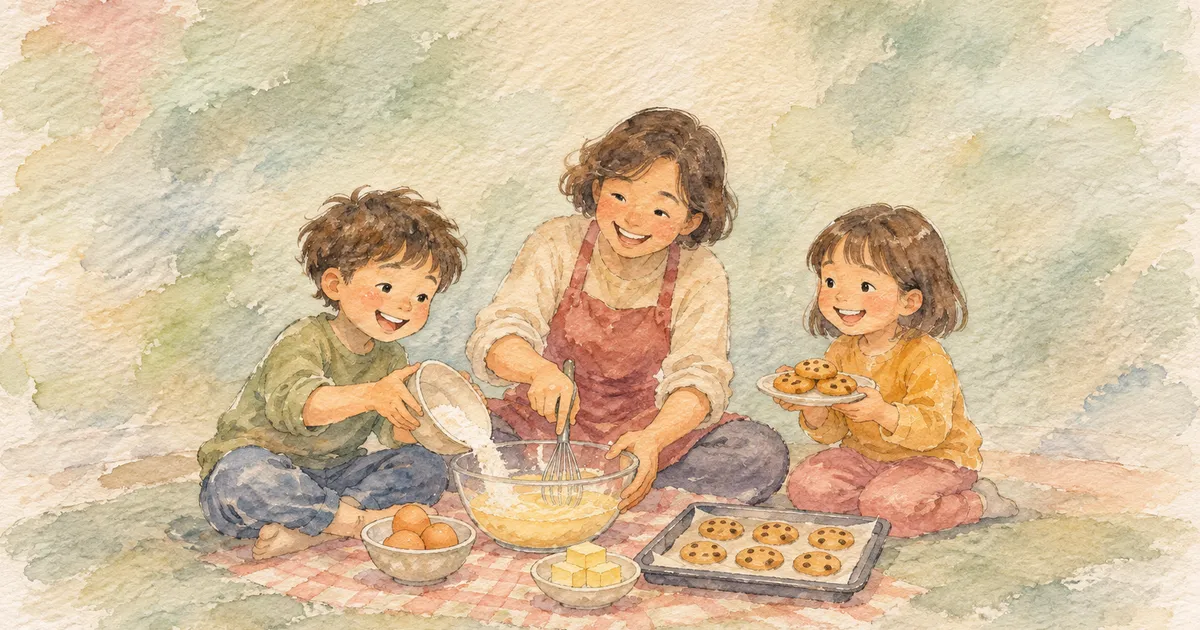
A child writes a recipe by naming the dish, listing ingredients with amounts, and giving ordered commands another person can follow. How to Write a Recipe: A Practical Guide for Kids breaks the task into steps for home or class. Separate what the cook needs from what the cook must do. Younger children can draw ingredients, say instructions aloud, or copy verbs. Older children can add quantities, preparation notes, and warnings. The finished recipe should guide a reader without guesswork.
📥 How to Write a Clear Recipe
Plan, write, test, and improve instructions that another child can follow.
Leave your email — we'll send the PDF to your inbox.No spam — the PDF plus one short reminder. Unsubscribe anytime.
What Children Need to Understand First
A recipe tells a reader how to make one dish. Before writing, your child should choose a familiar dish and explain the process aloud. A step that is hard to explain will be hard to write.
Children must distinguish ingredients from actions. “Two bananas” belongs in the ingredient list. “Mash the bananas” belongs in the method. Mixing these parts makes a recipe harder to scan during cooking.
When families use How to Write a Recipe: A Practical Guide for Kids as a checklist, they can ask: What do we need? What do we do? In what order? These questions structure the recipe.
The Main Parts of a Clear Recipe
Child-friendly recipes need a title, ingredient list, and method. The title names the dish. The list gives each food and its amount. The method presents actions in numbered steps. Add a serving note or safety reminder when needed.
The table gives each recipe part a distinct language job. Separating those jobs helps children choose the right grammar.
A recipe need not sound formal, but every instruction must be precise. “Mix it” leaves the reader guessing. “Mix the oats and yogurt” identifies the ingredients.
How Recipe Grammar Works
In How to Write a Recipe: A Practical Guide for Kids, the essential grammar form is the imperative. An imperative gives a command and starts with a base verb: cut, pour, add, stir, or serve. The subject you is understood, so write “Add the milk,” not “You add the milk.”
Sequence words such as first, next, then, after that, and finally mark order. Numbered steps already provide sequence, so each sentence does not need a linking word. Use one to prevent confusion or introduce a new stage.
Amounts require accurate language. Use numbers and units for measurable ingredients: “200 grams of flour” or “three tablespoons of water.” Use a or an with one countable item: “a lemon” or “an egg.” Use some, a little, and a pinch of only when an exact amount is unnecessary.
A Practical Writing Process
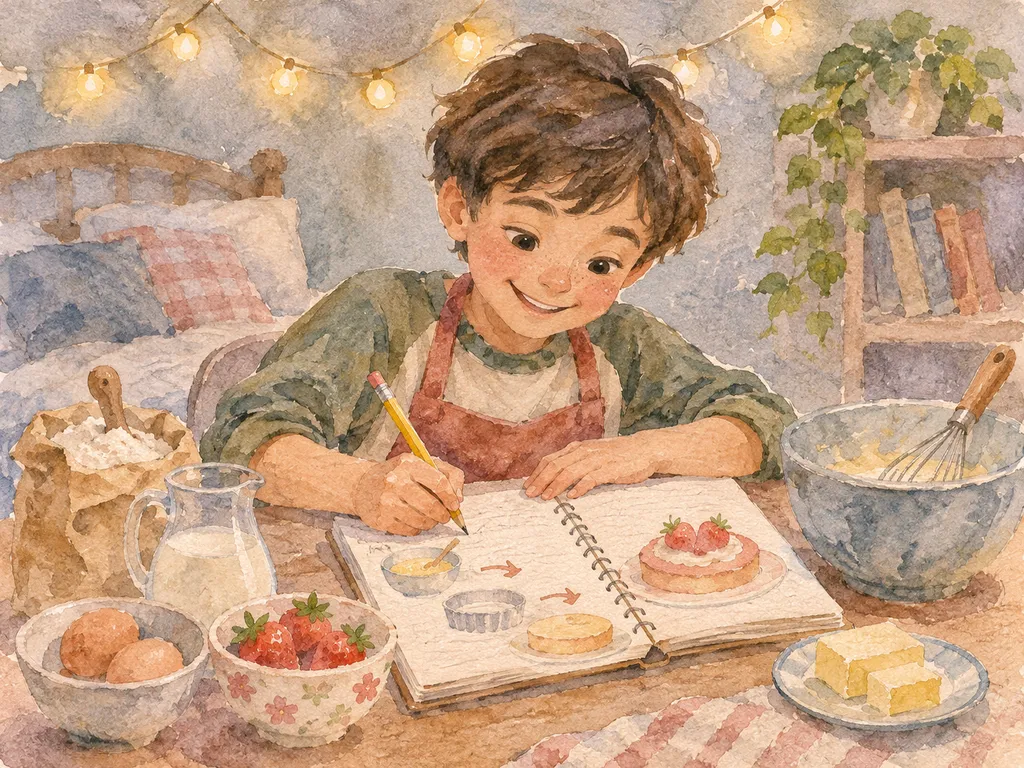
Treat How to Write a Recipe: A Practical Guide for Kids as a series of decisions. Choose a dish your child knows well. Ask them to picture making it from start to finish. Collect the ingredients and arrange them by order of use.
Write one action per numbered step. Begin with a strong verb and name the ingredient or tool. Include result-changing details: “slice thinly,” “stir for one minute,” or “leave the mixture to cool.” Cut details that do not guide the cook.
Children can examine this model:
Banana Yogurt Cup
Ingredients: 1 small banana, 4 tablespoons of plain yogurt, 3 tablespoons of oats, and a pinch of cinnamon.
- Peel the banana and place it in a bowl.
- Mash the banana with a fork.
- Add the yogurt and oats.
- Stir gently until the ingredients are combined.
- Sprinkle the cinnamon on top and serve.
The model uses one command per step and follows time order. An adult can record a younger child’s words. Older children can ask someone to follow the recipe exactly. Across LearnLink lessons, our tutors can connect recipe grammar with speaking, reading, and precise instructions.
Common Mistakes and How to Fix Them
Children sometimes change verb forms: “Mix the flour,” followed by “Adding the water.” Both steps need the imperative: “Mix the flour. Add the water.” A consistent form makes the method steady.
Missing information causes another problem. “Cook it” omits the ingredient, method, and finishing point. Write “Bake the bread until the top is golden.” Children must not invent a time or temperature; check those details with the recipe source or a supervising adult.
A final read with How to Write a Recipe: A Practical Guide for Kids can expose vague pronouns, missing amounts, and misplaced steps. Circle every command verb and underline every ingredient. Check that each listed ingredient appears in the method. An adult must handle heat, sharp tools, and tasks beyond the child’s safe skill level.
Practice Activities for Home or Class
Short examples prepare children to create a full recipe. Practise command verbs first, followed by order and detail. The goal is not memorising one dish but writing instructions another person can follow.
Exercise 1: Choose the Command Verb
Complete each instruction with add, cut, pour, or stir.
1. _____ the apple into small pieces.
2. _____ the juice into the glass.
3. _____ the oats to the bowl.
4. _____ the mixture gently.
Answers: 1. Cut. 2. Pour. 3. Add. 4. Stir.
After checking the answers, ask why each verb fits. More than one verb may be grammatical, but its meaning must match the ingredient, tool, and action.
Exercise 2: Put the Steps in Order
Number these steps from 1 to 4: Serve the fruit salad. Wash the fruit. Put the pieces in a bowl. Cut the fruit into pieces.
Answer: 1. Wash the fruit. 2. Cut the fruit into pieces. 3. Put the pieces in a bowl. 4. Serve the fruit salad.
For a longer task, ask your child to write instructions for a snack made at home. Follow only the written steps; do not fill gaps from memory. Mark every ingredient, amount, tool, or action that requires guessing.
When a word has several meanings or pronunciations, Cambridge Dictionary is a useful check before turning it into child-friendly examples.
Frequently Asked Questions
At What Age Can a Child Start Writing Recipes?
Your child can begin before writing independently. A younger child may draw ingredients, arrange picture cards, or dictate one-step commands. As writing develops, the child can label amounts and number the method. How to Write a Recipe: A Practical Guide for Kids works when the language task matches current reading, writing, and cooking skills.
Does Every Recipe Step Need a Sequence Word?
No. Numbered steps show order, so adding then to every line becomes repetitive. Use sequence words to mark a change: “First, prepare the fruit. Next, make the sauce.” The instruction should begin with a command verb or place it soon after the sequence word.
How Can I Help Without Writing the Recipe for My Child?
Ask questions that expose gaps: “How much do we need?”, “What happens next?”, or “What does this word refer to?” Let your child choose the wording and correction. Follow the written method literally. A failed step shows where the instruction needs detail.
Should Children Use Full Sentences in a Recipe?
Use complete commands in the method, such as “Place the bread on a plate.” Ingredient lists can contain short phrases. Notes may remain brief when their meaning is precise. Another reader should identify every ingredient, amount, action, and stage without spoken help.
Can Recipe Writing Support Spoken English?
Yes. Your child can say each command before writing, explain the order aloud, or guide an adult through the steps. This connects action verbs with objects and gives sequence words a purpose. Focus on accurate instructions, not speed. Revise an unclear spoken sentence before adding it to the recipe.
If your child needs steady speaking practice, start small — choose a trial lesson.
Stay updated on our latest tips and resources by following us on Instagram LearnLink.